 Champion Safety Upper Midwest's leading supplier of Industrial products.

Spend enough years around power tools, heavy machinery, and vibrating equipment, and that buzz stops being a nuisance and starts becoming a real health issue: numb fingers, weak grip, the works. Good gloves change that. By absorbing the shock before it reaches your hands and arms, they reduce strain and help you stay comfortable and productive for the whole shift.
It doesn’t matter much whether you’re pouring your day into construction, flooring installation, manufacturing, or landscaping; knowing how these gloves actually work makes it a lot easier to pick the right pair. So that’s what we’ll get into below: what they do, how they make a job site safer, and what to look for before you buy.
What are Anti-Vibration Gloves?
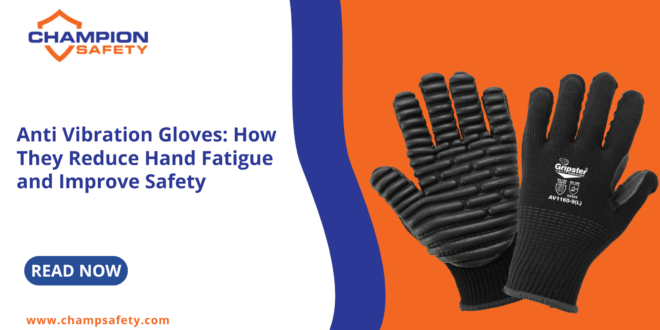
Anti-vibration gloves are safety gloves built with vibration-dampening materials, usually gel, foam, or rubber padding. This cushion handles most of the work; it absorbs shock so that very little of the tool’s shock is transmitted to your hands and arms.
Anyone who uses jackhammers, grinders, sanders, and compactors daily falls into the category of individuals at risk of suffering from vibration illnesses.
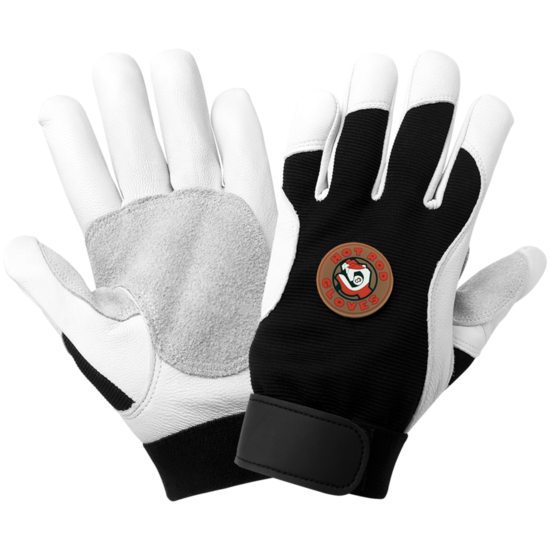
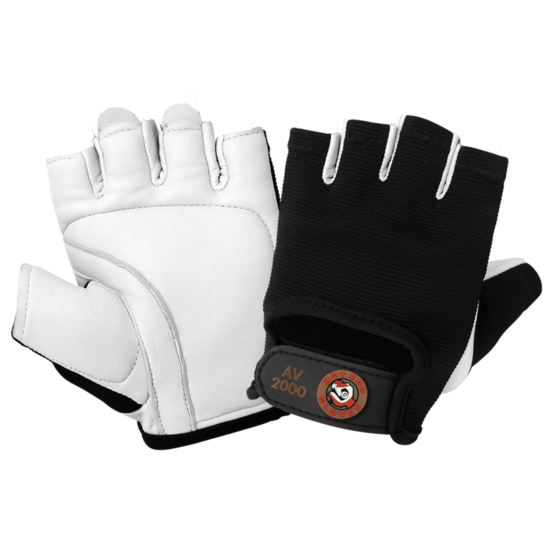
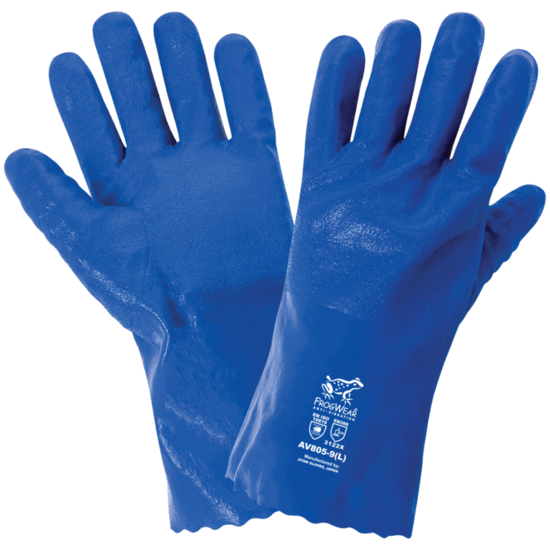
How Do Anti-Vibration Gloves Work?
The short version: the gloves put a protective barrier between your hand and whatever’s vibrating. Here’s what that barrier is actually doing:
- Specialized padding absorbs the vibration energy before it reaches your skin and bones.
- Allowing for a better grip to reduce stress, as you do not need to tightly hold the equipment.
- Using padding to keep the hand comfortable despite using the gloves for many hours.
Common Industries That Use Anti-Vibration Gloves
You’ll find anti-vibration gloves on just about any job that involves a tool that fights back. The usual settings include:
- Construction and flooring installation
- Manufacturing and assembly work
- Landscaping and forestry
- Automotive repair
- Motorcycle riding and other recreational activities, where anti-vibration motorcycle gloves take the edge off handlebar buzz
Benefits of Wearing Anti-Vibration Gloves
Cutting down on vibration exposure pays off in more ways than one, for the people doing the There are multiple advantages to reducing the effects of vibrations for both employees and employers alike.
Better Comfort and Decreased Hand Fatigue
It’s the constant exposure to vibrations that causes numbness and fatigue in your hands throughout the day. If you reduce the vibration levels, the results speak for themselves: your hands feel less tired, and you can continue working without losing sensation in your hands.
Better Workplace Safety and Performance
Tired hands are sloppy hands. When workers aren’t fighting fatigue, they hold a steadier grip and stay more focused, and that’s exactly what keeps small mistakes from turning into accidents.
Companies that take PPE seriously, vibration-reducing gloves included, tend to notice it in the numbers: happier crews and fewer injury headaches. At Champion Safety, safety isn’t an afterthought. The company shares practical resources and hard-won industry know-how on its blog, so the people doing demanding work can stay current on how to protect themselves out there.
What You Should Look for in Anti-Vibration Gloves
In looking for the best anti-vibration gloves, take note of the following things:
- High-quality gel or foam padding
- Durable construction materials
- A breathable design so your hands aren’t sweating buckets
- Secure wrist closures
- Strong, reliable grip
Pros often have a preference for items such as the Milwaukee anti-vibration gloves primarily due to their reputation for durability.
Mistakes to Avoid
A few easy ways to waste your money:
- Buying on price alone
- Skipping over proper sizing and fit
- Hanging onto worn-out gloves long past their prime
- Assuming every “vibration glove” protects you equally (they don’t)
And here’s the part people forget: gloves do their best work alongside well-maintained tools and safe operating habits. They’re just one piece of protection, not the whole package.
FAQs
Do anti-vibration gloves work?
Yes. Anti-vibration gloves reduce how much vibration reaches your hands, which means more comfort and less fatigue while you’re running a tool.
How do anti-vibration gloves work?
This is done through the use of specialized padding or foam inserts that absorb the vibration before reaching the user’s hands.
What are the best anti-vibration gloves?
These are unique gloves made from materials that reduce the effects of vibrations produced by machines.
What are anti-vibration gel gloves?
The design uses gel inserts in order to function as shock absorbers, hence being preferred by workers who have to operate vibratory tools throughout the day.
Anti-Vibration Gloves: Are They Effective for Motorcycle Riders?
They do. Plenty of riders wear anti-vibration motorcycle gloves to take the buzz out of the handlebars and stay comfortable on longer rides.
Conclusion
Hand-arm vibration isn’t a small thing to shrug off; left unchecked, it chips away at both your comfort today and your hand health for years down the road. A quality pair of anti-vibration gloves fights back on all three fronts: less fatigue, steadier grip, and a safer way to get through the work.
The proper equipment is necessary for anyone who works in construction, floor laying, manufacturing, and any other industry that involves practical work. Choose those gloves that actually lower vibrations, couple them with safe practices, and you’ll find yourself at the end of the working day comfortable and alert.
Eager to improve safety standards on your construction site? Dig into the expert insights and industry resources from Champion Safety for practical ways to build a safer, more efficient workplace.