 Champion Safety Upper Midwest's leading supplier of Industrial products.

In the industrial environment, the right safety gloves are essential to safeguard hands from abrasion, punctures, chemicals, and oils. The best Safety Gloves for Oil Handling should offer a strong grip on slippery surfaces, be resistant to harsh chemicals, and be durable. Whether it’s automotive manufacturing, oil & gas, manufacturing, construction, or chemical processing, industries need a single solution for hand protection to reduce injuries and boost productivity on the job.
Modern oil and chemical-resistant gloves are constructed with state-of-the-art materials, including nitrile, neoprene, and reinforced coatings that will provide the worker with a safe environment for working with hazardous materials. Whether you’re wearing industrial heavy-duty chemical gloves or flexible work gloves in oily environments, understanding key characteristics can affect your choice.
Why Oil and Chemical Resistant Gloves Matter
Oil and chemical-resistant gloves are crucial in the food industry. Oil and chemical-resistant gloves play a vital role in the food sector.
Employees exposed to oils, solvents, acids, and abrasive materials are at a high risk of cuts, burns, as well as for long term damage to their hands and skin irritation. Standard gloves may not be suitable in slippery conditions or in harsh chemical environments. That is why there are specialized industrial safety gloves for multiple hazards that industries rely on.
High-quality gloves offer:
- Very good wet or oil adhesion.
- Chemical permeation resistance
- Prevention of abrasion and puncture
- Long-lasting durability
- Increased flexibility and comfort.
Nitrile-coated gloves are particularly favorites, as they offer high oil resistance and still have good dexterity. New industrial glove guides have noted that the textured nitrile surface helps to prevent slips and increase grip when using tools and machinery that have oil on them.
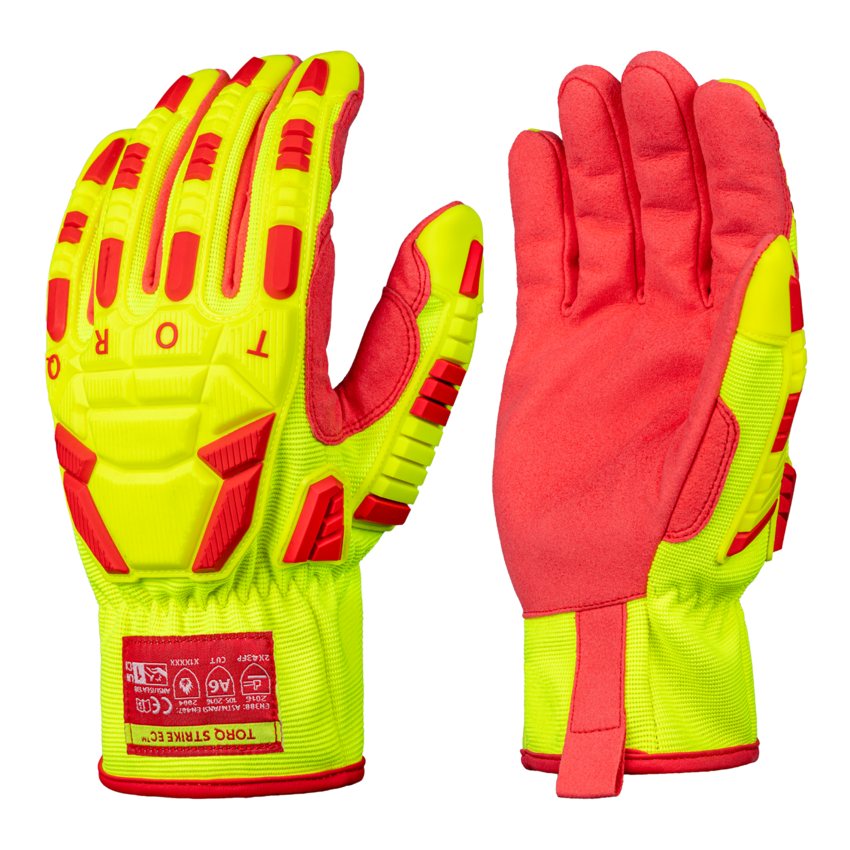
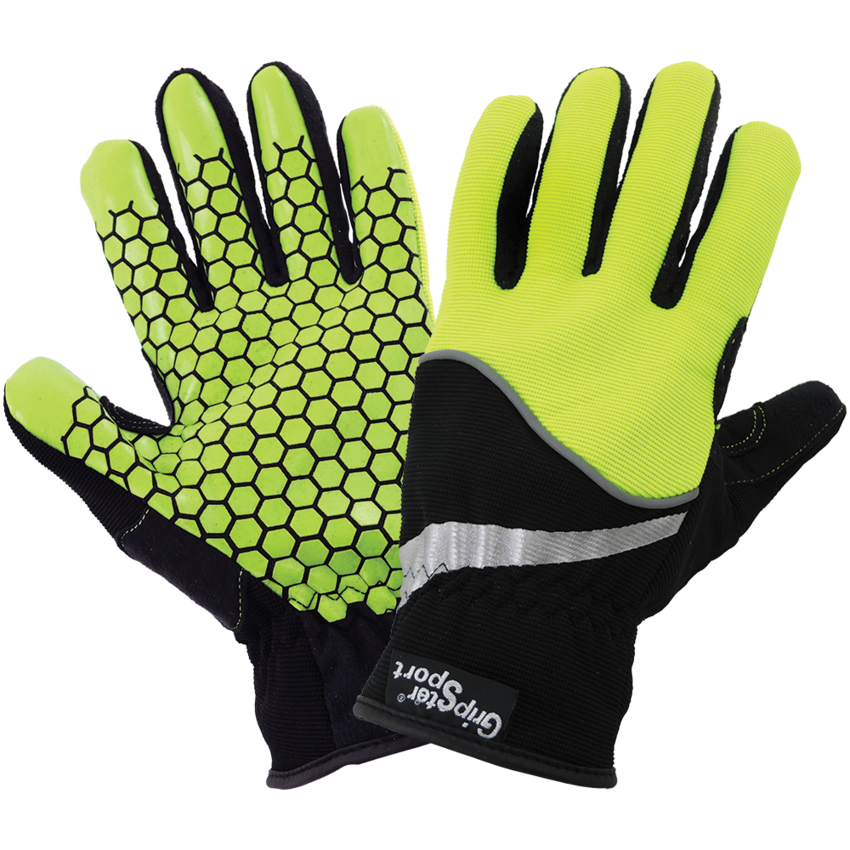
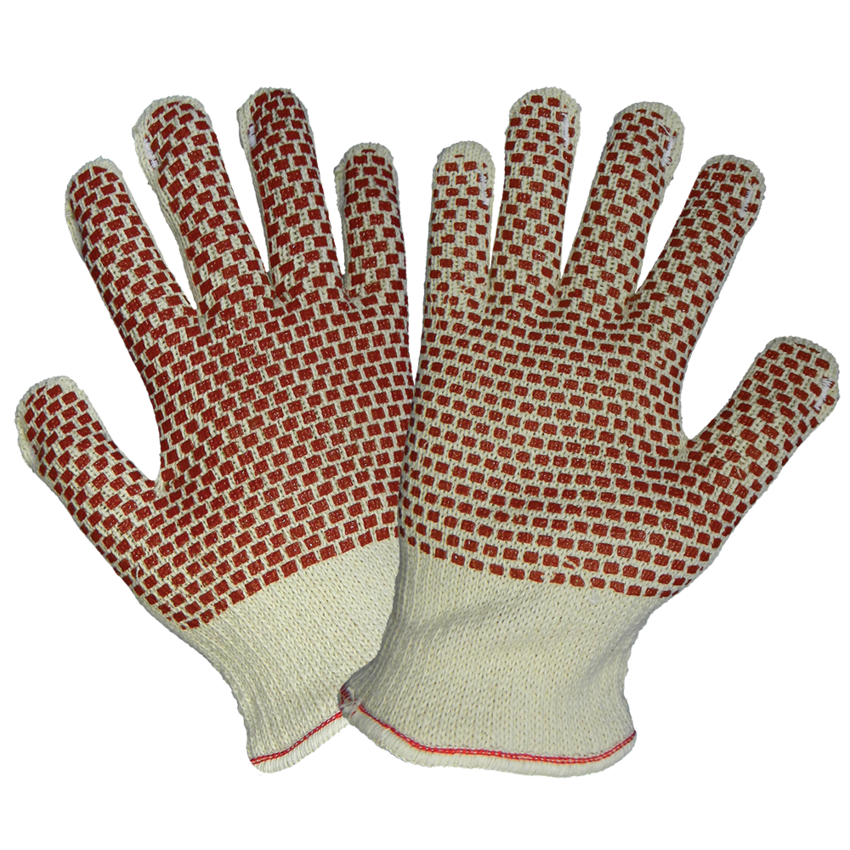
Best Overall Nitrile-Coated Industrial Gloves
Oil-Resistant Industrial Safety Gloves
Nitrile-coated gloves remain a popular choice for workers who have to deal with industrial chemicals, oil, and grease. They provide ongoing security and are also flexible with regard to the specific tasks. Many of today’s oil-resistant safety gloves also feature palms that are textured, and sometimes reinforced fingertips for extra grip and durability.
These gloves are ideal for:
- Automotive repair
- Mechanical workshops
- Manufacturing plants
- Exploration/extraction of oil or gas.
- Equipment maintenance
The recommended coating is a textured nitrile for industrial applications where the coating will not lose its grip when exposed to greasy conditions and has good abrasion resistance.
Best for Heavy Chemical Handling
Heavy Duty Chemical Resistant Gloves
Designed for resistance and long-lasting for chemical industry.
Thicker reusable chemical gloves provide more protection than typical disposable gloves in the presence of acids or solvents, petroleum products, or corrosive liquids. These chemical-resistant work gloves can also be longer to protect wrists and forearms against splashes.
Important features include:
- Extended cuff protection
- High thickness nitrile/neoprene.
- Chemical permeation resistance
- Non-slip textured palms
- High tear resistance
Thick nitrile gloves are frequently recommended for petrochemicals, hazardous maintenance, and cleaning in industry.
Best for Abrasion Resistance and Grip
Abrasion-Resistant Work Gloves
Built for rough surfaces, sharp edges, and heavy-duty industrial handling with enhanced
Abrasion-resistant work gloves are designed to withstand scratches, cuts, and punctures.
Extra durable to resist hard surfaces, sharp edges, and high-stress industrial handling.
If a person works with rough metals, construction materials, or parts of a machine, he or she will require gloves that are very abrasion-resistant. Abrasion-resistant gloves will provide less wear and therefore extend the life of the gloves and make a difficult job easier. The advantages of these kinds of gloves are:
- Reinforced palm coating
- High abrasion ratings
- Better grip control
- Improved puncture resistance
- Comfortable long-term wear
Side-by-side testing of different gloves in the industry shows that micro foam nitrile is especially useful in dry to oily situations where they provide traction, breathability, and durability.
Product Comparison Table
Oil Resistant Industrial Safety Gloves Heavy Duty Chemical Resistant Gloves Abrasion Resistant Work Gloves – Feature
| Feature | Oil Resistant Industrial Safety Gloves | Heavy Duty Chemical Resistant Gloves | Abrasion Resistant Work Gloves |
|---|---|---|---|
| Oil Resistance | Excellent | Excellent | Very Good |
| Chemical Protection | Moderate to High | Maximum | Moderate |
| Abrasion Resistance | High | Medium | Excellent |
| Grip in Oily Conditions | Excellent | Very Good | Excellent |
| Dexterity | High | Medium | High |
| Best Use | Automotive & maintenance | Chemical handling | Heavy industrial work |
| Material Type | Nitrile-coated | Thick nitrile/neoprene | Micro-foam nitrile |
| Comfort for Long Use | Excellent | Good | Excellent |
How to Choose the Right Safety Gloves
When buying Industrial safety gloves, take into account the particular dangers you face on your job.
1. Check Chemical Compatibility
There are different chemical resistances for different types of gloves. Before using any solvents, acids, or petroleum-based substances, refer to the compatibility tables.
2. Look for Grip Texture
Textured/sand rubber nitrile is suitable for work gloves that need to be used for oily work and offers a better grip and control.
3. Choose Proper Thickness
Thicker gloves will provide more protection, but may affect dexterity. Industrial experts suggest a thickness of 6-8 mil as a balance of performance.
4. Review Safety Ratings
When choosing gloves for industrial use, choose those that have EN388 or ANSI cut resistance and abrasion.
5. Prioritize Comfort
Breathable inner layers and ergonomic design of gloves can reduce the strain on the hands during long work days.
Industries That Need Oil and Chemical-Resistant Gloves
These gloves can be found in:
- Automotive workshops
- Oil and gas industries
- Chemical manufacturing plants
- Construction sites
- Warehouses and logistics
- Heavy machinery maintenance
- Metal fabrication facilities
Under the conditions of high risk, a proper selection of gloves can provide better protection to the worker, improve productivity, and reduce risks of injury to the worker.
Final Thoughts
In conclusion, the best performance in Safety Gloves for Oil handling will be the ones that are oil-resistant, chemical-resistant, abrasion-resistant, and comfortable. The nitrile-coated gloves are still popular among industrial workers for their high grip ability and oil resistance. At the same time, thicker gloves are best suited for heavy-duty chemical gloves, and abrasion-resistant gloves are most suitable for rough handling in industrial applications.
Gloves are chosen according to the kind of job, hazards, and hand mobility requirements. By investing in high-quality oil and chemical-resistant gloves, businesses can not only safeguard their employees but also boost efficiency and safety in their operations, which directly ensures a better life for workers.
FAQs
What are the gloves for an oily environment?
A nitrile-coated glove is typically the best choice for an oily setting, owing to its grip, abrasion resistance, and oil resistance.
Are nitrile gloves chemical-proof?
Nitrile gloves are indeed able to resist many oils, solvents, fuels, and chemicals and thus are suitable for industrial applications.
What gloves are good for industrial heavy-duty use?
For tough industrial jobs, gloves with reinforced palms and high abrasion resistance are beneficial – specifically nitrile or neoprene gloves in heavy-duty.
What is the abrasion resistance of safety gloves?
Abrasion resistance is a measure of the ability of the gloves to resist friction or other rough surfaces without being abraded easily.
When should Industrial Safety Gloves be changed?
Replace any damaged gloves that are torn, have holes, are chemically damaged, or are worn. Regular checks of the workplace safety are important.