 Champion Safety Upper Midwest's leading supplier of Industrial products.

Chances are, you have come across them hundreds of times without even realizing their importance, the bright colored clothing worn by road workers early in the morning, the bicycle rider maneuvering in the evening traffic, or the man making hand gestures while guiding your car into an overcrowded parking space. Safety vests are one of those items that you never pay much attention to until the very point when you need them.
If you want to frame a house, direct the movement of cars in a closed lane, or cycle home from work when darkness sets in, a high-visibility vest ensures one thing for sure: you remain visible enough to others before any kind of trouble starts. It will definitely make life much easier for you to know the rating system for ANSI reflective vests.
What Are Safety Vests?
A Quick Definition of High-Visibility Safety Vests
Safety vests are bright clothes meant to ensure visibility in low-visibility, high-traffic areas, or places where one can easily become unnoticed, causing a possible accident. The majority of them have colors such as fluorescent yellow-green or orange, which can be noticed instantly by the naked eye, and reflectors, which glow in the presence of lights such as headlights.
ANSI Reflective Vests Explained
So what makes a vest an “ANSI” vest? It comes down to standards set by the American National Standards Institute. ANSI reflective vests are tested against those rules to confirm they give you enough visibility across the board, bright daylight, pitch-dark night, and that murky in-between when the sun’s barely up or already gone. If a vest is ANSI-rated, you’re not just guessing about how well it’ll perform. Someone already did the math.
ANSI Class 1, Class 2 & Class 3 Vests Compared
There are three categories in the rating system, and the higher the category number, the better your visibility:
- Class 1: Basic visibility for low-risk environments where traffic is slow, and you’ve got plenty of space.
- Class 2: A step up, more reflective material for workers near roadways and moving machinery.
- Class 3: The maximum. Designed for fast-moving traffic areas and dangerous conditions that require good visibility from far distances.
One way to remember it is that the higher the speed and the crazier the environment, the higher the class should be.
Why Are People Wearing Safety Vests?
Workplace Safety and OSHA Requirements
A lot of the time, it’s not a choice; it’s the rule. There are many employers that mandate wearing safety vests just to make sure that they comply with OSHA regulations, as well as to avoid potential injuries. Any area that sees traffic and people moving around at the same time makes visibility an essential requirement for ensuring that nothing bad happens.
Common Industries That Require Safety Vests
You’ll find safety vests everywhere work and traffic collide. Construction crews wear them. So do road maintenance teams, warehouse staff, utility workers, logistics and delivery folks, and emergency response teams.
Non-Work Reasons People Wear Safety Vests (Cycling, Running, Events)
It’s not all job sites, though. Cyclists throw one on for the morning commute. Runners wear them when they’re out before dawn or after dusk. Crossing guards rely on them daily, and event volunteers grab them so a crowd can spot the person actually in charge. Anytime the light’s low and you need to be noticed, a reflective vest earns its keep.
The Safety Vest as a Fashion & Cultural Trend
Here’s a fun twist, high-visibility gear has crept into streetwear and even a few fashion collections over the years. The designers used the neon lights, the reflective tapes, the utilitarian design, and took it from there. It is a small indication that a product designed for safety may actually influence how people think of cool.
Types of Safety Vests
Reflective & Non-Reflective Vests
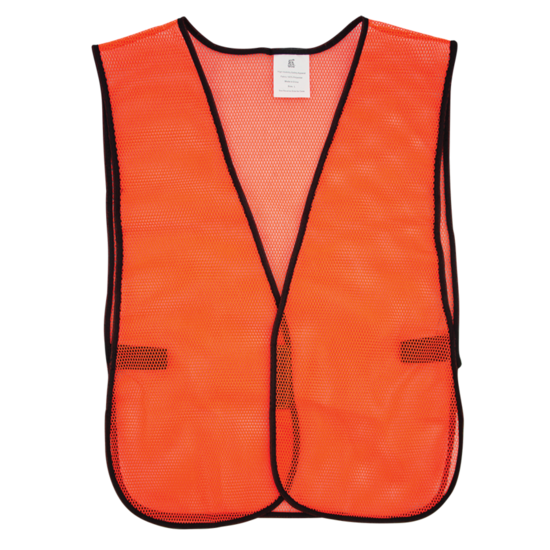
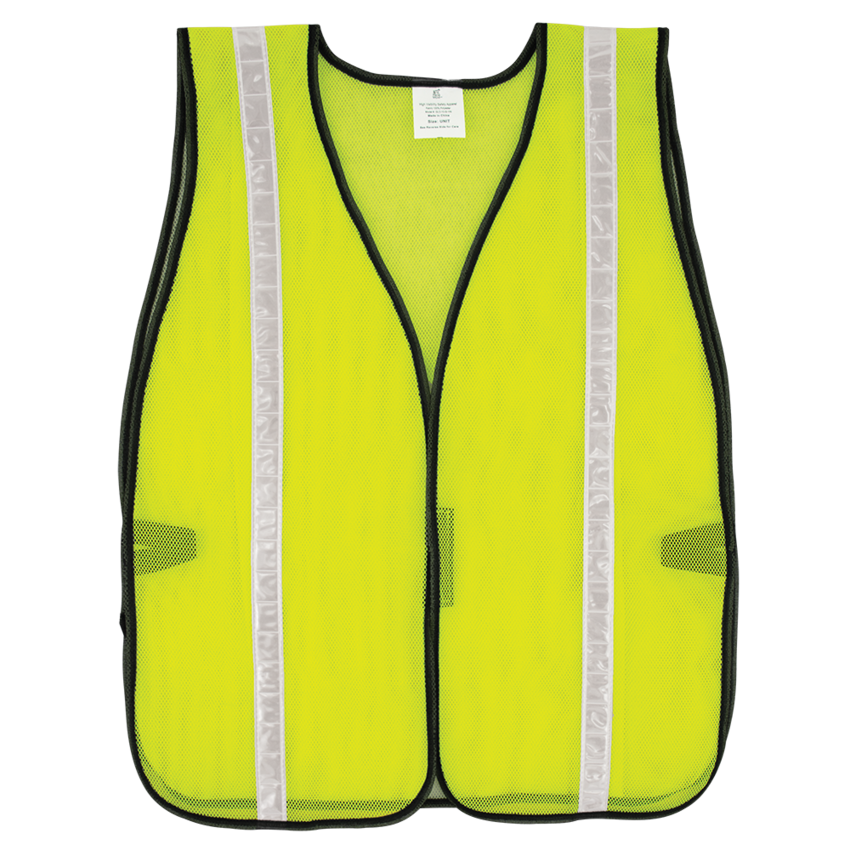
There is not always one single type of vest. A reflective vest has a reflective strip to reflect back light to its source. This is what makes one visible during the nighttime. Non-reflective versions skip that and lean on bold color alone, they’re mostly for daytime identification, like telling visitors apart from staff. If you ever work past sunset, reflective is the way to go.
Mesh vs. Solid Fabric Vests
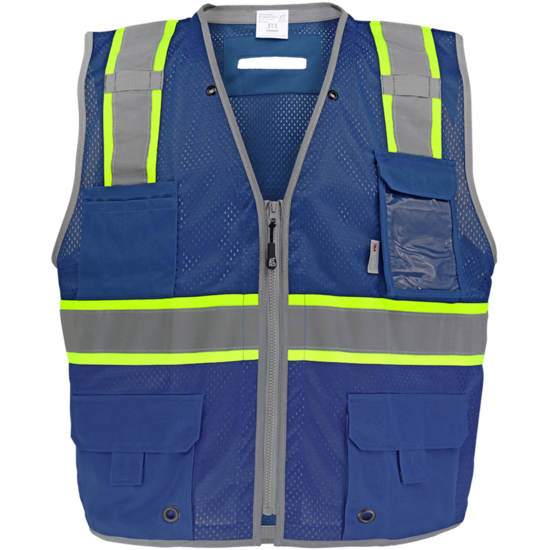
This one usually comes down to where and how you work. Mesh vests breathe, which is a lifesaver in hot weather or stuffy warehouses. Solid fabric vests trade some of that airflow for durability and extra storage, handy when you need pockets for tools, a phone, or paperwork. Neither is “better.” They’re just built for different days.
Breakaway and Specialty Safety Vests
Some vests are designed for specific risks. Breakaway vests are made to come apart fast if they snag on machinery, so you don’t get pulled along with it, a smart feature around equipment with moving parts. Then there are specialty vests loaded with extras like radio holders, ID pockets, or features built for surveyors. The right add-ons depend entirely on what your day actually involves.
Choosing the Right Vest for Your Job
Think about the following points before purchasing your vest. What is the working environment? What level of visibility is required? Are you dealing with heat, rain, or cold? And what ANSI class does your situation call for? Answer those four, and the choice usually makes itself.
Where to Purchase Safety Vests
Online Stores
The greatest advantage of shopping online is that you will have the most diverse range of choice. There is no lack of stores where one can find a safety vest for any ANSI class or style. Just read the listing carefully; you want the certification spelled out, not implied.
Hardware and Home Improvement Stores
Need something today? Your local hardware store probably has you covered. These spots usually carry basic safety vests that work fine for general use and small projects. You won’t always find every ANSI class on the rack, but for quick jobs and casual visibility, they get it done.
Specialty Safety Equipment Suppliers
When the job is serious, go to the people who do this for a living. Specialty suppliers focus on certified ANSI reflective vests built for commercial and industrial work. In most cases, you will end up getting good quality, good certification, and professionals who know the right class for your case.
Checklist before Buying a Safety Vest (ANSI Rating, Comfortable Fit, Durability)
A few items need to be considered every single time. Confirm the ANSI certification is real and listed. Make sure the size fits the way you’ll wear it, over a jacket, maybe, or just a shirt. Pay attention to the stitches, because that is the first part of a cheap vest to go. Also examine the reflectivity on the vest because good tape lasts, but cheap tape doesn’t.
How to Wash a Safety Vest
Should You Machine Wash or Hand Wash?
Good news: most safety vests handle the washing machine just fine. That being said, it all comes down to what the care label says, so be sure to consult those directions before chucking it in. Some special vests require a little more TLC, but it will only take you a second.
Step-by-Step Process for Washing a Safety Vest
All you really need to do to ensure that your vest stays clean is to be gentle when washing it. This is how it’s done:
- Empty all the pockets.
- Fasten the zippers and any closures.
- Use a mild detergent.
- Run it on a gentle cycle.
How to Keep Reflective Strips from Fading
The reflective strips are the whole point, so treat them gently. Skip the bleach, steer clear of harsh chemicals, and keep it away from high heat. Those three things are what kill reflective material over time; avoid them and your strips stay bright far longer.
Drying and Storage Tips to Extend Vest Life
When it’s clean, let it air dry. The dryer’s heat is hard on reflective tape, so hanging it up is the safer call. For storage, find somewhere cool and dry, out of direct sunlight — sun fades the color just like it fades everything else.
Safety Vest Care and Replacement
Signs Your Safety Vest Needs Replacing
You will only be protected by a vest when it is still working. This is the time to get a new one if it becomes worn out, the reflective material is peeling off, its colors fade away, or if it simply isn’t as noticeable anymore. Visibility is the entire reason it exists; once that fades, so does the protection.
How Often Should You Replace an ANSI Vest?
There’s no single magic number. How long a vest lasts depends on how hard you use it, how much sun and weather it sees, and what the manufacturer recommends. If you’re in yours every day, get in the habit of giving it a quick look every so often. Catching wear early beats finding out the hard way.
Why Quality and Safety Matter
At Alamtal Flooring, keeping people safe on the job isn’t an afterthought; it’s how we operate. Installing coatings, prepping concrete, working in busy commercial spaces, every one of those jobs goes smoother and safer when the right PPE is in place, and that includes ANSI-compliant safety vests. Holding a high bar on safety does more than protect our crew. It keeps projects moving, professional, and done right.
Protect Yourself with the Right Safety Vest
For something so simple, a safety vest pulls a lot of weight. It’s a small purchase that makes you dramatically easier to see and a whole lot harder to miss. Construction pro, warehouse worker, weekend cyclist, event volunteer, whoever you are, picking the right ANSI reflective vest makes things safer not just for you, but for everyone sharing the space.
Alamtal Flooring delivers exceptional flooring and coating solutions while holding the highest workplace safety standards. Reach out to our team today to learn more about what we do and the standards we hold ourselves to.
FAQs
Where can I buy a safety vest?
You’ve got options. Online stores offer a wide variety of options; however, hardware stores are the best place to purchase them on the spot. In case of professional-grade equipment, you can contact specialized safety equipment suppliers.
How do I wash a safety vest?
Stick with mild detergent, follow the manufacturer’s instructions, skip the bleach, and air dry it whenever you can. Treat the reflective strips gently, and the vest will last.
Why are people wearing safety vests?
It comes down to being seen. Safety vests boost visibility and help prevent accidents on job sites, roadways, during sports, and at public events- basically anywhere a missed glance could cause trouble.
How does ANSI Class 2 differ from Class 3 safety vests?
Class 3 vests are made of even more reflective material covering more areas of your body compared to Class 2, making them suitable for more hazardous conditions.
How long does a safety vest last?
Replace it once the visibility, reflective performance, or fabric starts breaking down; those are your cues that it’s done its time.
Also Read: Anti-Vibration Gloves: How They Reduce Hand Fatigue and Improve Safety