 Champion Safety Upper Midwest's leading supplier of Industrial products.


Your hands are your most important “tools”. In a manufacturing environment (warehouse, production line, construction site), these tools are at risk of lacerations, chemicals, heat and machinery. However, hand injuries can be avoided.
It’s not about any gloves. But it’s to wear the right gloves. Risk, material, comfort and safety are the things to look out for when purchasing industrial safety gloves. This article will help you do just that.
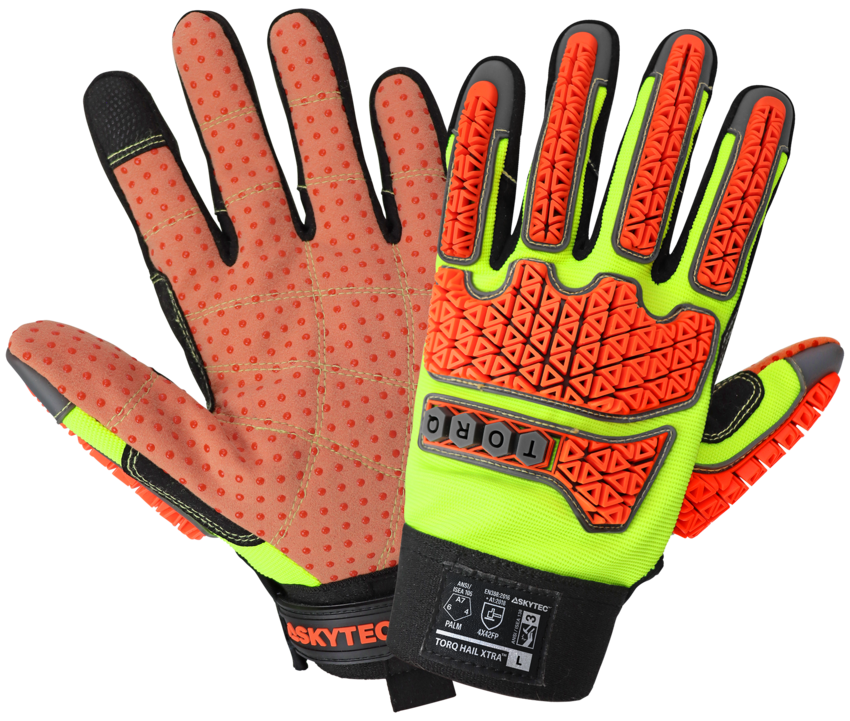
Why Hand Safety Equipment Matters More Than Ever
The Occupational Safety and Health Administration (OSHA) has found 25% of injuries are a result of hand and finger injury. The interesting thing is that many injuries were a result of workers not wearing the proper type of gloves or not wearing any gloves at all. PPE gloves are not an option; they’re a necessity.
PPE gloves for Workers not only prevent cuts. They stop chemical exposure, shield against vibration injury, give you a better grip on slippery surfaces, and even save you from carpal tunnel syndrome. But not all gloves can be dangerous – or lull workers into a false sense of security. For example, bulky work gloves around heavy machinery can be more hazardous than going bare-handed.
Know Your Hazard First
Know your hazard before you wear your gloves. One of the three most common hazards in the workplace is:
- Mechanical hazards – cuts, abrasions, punctures, being struck by tools, abrasive or sharp objects and heavy items.
- Chemical hazards – contact with solvents, acids, oil or other chemicals.
- Thermal hazards – hot or cold, fire or cryogenic fluids.
- Biological hazards – exposure to infected material, waste or bodily fluids.
- Electrical hazards – contact with live electrical components.
There’s no one glove to rule them all. In some jobs, you may need to use various pairs of gloves.
A Guide to the Main Glove Types
Cut-resistant gloves are typically HPPE, Kevlar or steel wires and are rated A1-A9 according to ANSI/ISEA 105. They are primarily used in sheet metal, glass and blade work where the main exposure is cuts.
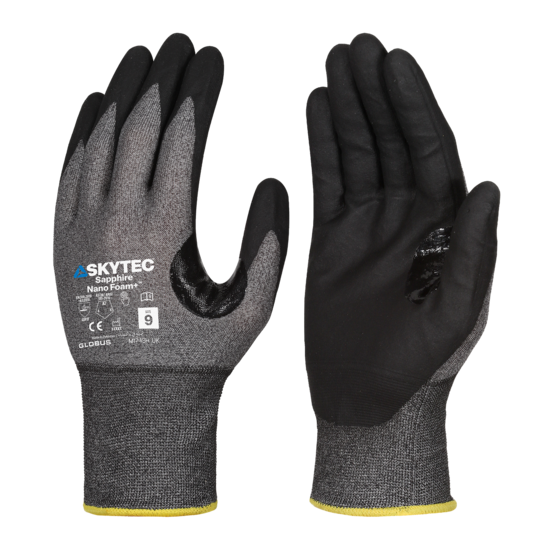
Nitrile-coated gloves are ideal for use on oily and wet surfaces, are puncture-resistant and are resistant to many light chemicals. They are good for assembly, automotive and warehouse work gloves where a high level of dexterity is needed.
Chemical-resistant gloves are constructed from butyl, neoprene and PVC and are resistant to different families of chemicals. It is best to consult a chemical compatibility chart for chemical-resistant gloves.
Leather work gloves are strong and heat-resistant, and are used as lifting safety gloves in construction. But they are not ideal for chemicals.
Chemical and biological protective gloves are made of latex or rubber. Make sure you check for latex allergies.
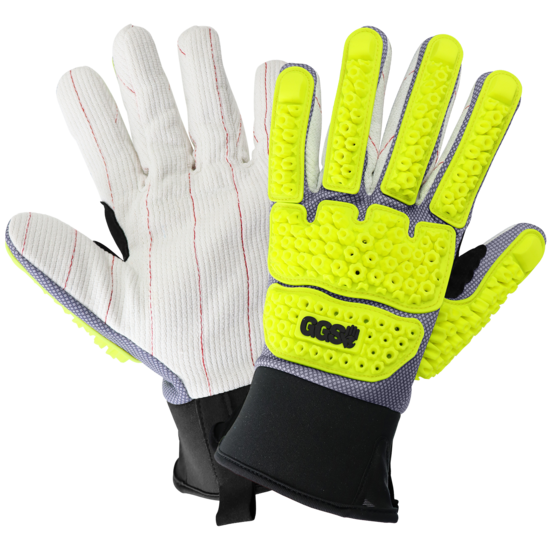
Impact-resistant gloves have TPR material on the back of the hand, and are worn in the oil and gas, mining and heavy construction industries where there is a risk of crush injuries.
Picking by Work Setting
Construction Safety Gloves
Construction involves abrasion, punctures and impacts. Choose gloves with impact-resistant fingertips, leather palm and impact-rated knuckles. If you’re a roofer or tearing down a wall, go with an impact-rated lining and a leather shell.
Warehouse Work Gloves
Dexterity is key in warehouses. Pickers, forklift operators and scanners require a lightweight, long-cuff length glove, often nitrile-coated or a polyurethane-coated knit that allows the wearer to retain their dexterity and also protects against cuts and abrasions.
Manufacturing Safety Gloves
Many manufacturing applications may need: For example, an oil-resistant nitrile glove for an automotive manufacturing process or a chemical/solvent-resistant glove for a pharmaceutical manufacturing facility. Be sure to review the Safety Data Sheets (SDS) for the chemicals used and compare the permeation information for the glove.
Fit, Comfort, and Compliance
A good glove isn’t a good glove if it is not worn. If the gloves don’t fit properly, they will fatigue and limit dexterity and may be removed when you don’t want to be without hand protection. To fit test gloves, the fingertips should reach to the tip of the fingers, the wrist cuff should be snug (but not too snug) and have dexterity (for example, being able to lift a coin up). Trials with your staff – they’ll be more likely to wear the gloves they’ve tried.
And make sure your gloves are rated ANSI, EN 388 or OSHA PPE for your application. You’ll see it has been tested for hazards on the cuff.
Inspect, Replace, and Re-Evaluate Regularly
Safety gloves are not intended for reuse. No matter how good a glove, it will wear out, get washed and be exposed to chemicals. Set up a rotation schedule, educate employees to check for rips, stiffening and discolouration before each use and review your hazard assessment if necessary.
Industrial safety gloves are not an impulse buy, but rather an investment in the safety, health and productivity of your workers’ hands. Shop Champion Safety’s selection of safety gloves to suit your employees.
FAQ
Q: What are some of the best safety gloves for industry?
A: Depends on the risk. Nitrile coated for oils, cut resistant for sharp objects and chemical resistant for chemicals.
Q: Can nitrile-coated gloves be used in a warehouse?
A: Yes. They are flexible, have a good grip and are puncture-resistant.
Q: What are the best chemical-resistant gloves?
A: The best chemical-resistant gloves are made of butyl, neoprene or PVC. See compatibility chart.
Q: How can I test my gloves?
A: You should be able to flex your fingers to the tip of the glove and do other simple tasks, such as picking up small objects.
Q: When should I replace my industrial gloves?
Q: When do I need to change my industrial gloves? If they’re torn, coloured, stiff or have been affected by chemicals, replace them at once.
Q: Are there special gloves for construction workers?
A: Yes. Construction PPE gloves must be impact-resistant, have reinforced fingertips and cut protection.
Q: Should personal protective equipment (PPE) gloves be certified?
ANSI/ISEA 105 for cut protection and EN 388 for various mechanical hazards.
Q: Is there a glove for every occasion?
A: No, there are different gloves for different jobs. Sometimes people will need more than one.
Conclusion
There’s not much mystery to workplace safety gloves – but they are essential. Identify the risk, choose a material that will stop the risk, find the right fit and rotate gloves. Whether you’re looking for cut-resistant gloves for your shop floor, nitrile-coated gloves to avoid snares in the warehouse or chemical-resistant gloves for your manufacturing employees, the best way to keep your workers safe is to provide the right gloves for the right job.
Champion Safety has a range of industrial safety and PPE gloves for all workers. View our gloves and protect your workers 24/7.